Kava vs Magnesium: Which Is Better for Relaxation and Sleep?
Magnesium is an essential nutrient; kava is a botanical people choose for relaxation. We compare what each can realistically do, explain the differences between magnesium forms, and assess when nutritional supplementation and a kava routine can coexist.


 By
Updated 2026-11-11.
Commercial disclosure: this guide is written by Nukava’s founders. Nukava sells kava. This is education, not medical advice; the research discussed does not establish that Nukava products treat these conditions.
Correct a magnesium shortfall. Choose kava for the gathering.
If you need more magnesium, magnesium wins: kava cannot replace an essential mineral. For a shared relaxation drink, kava is our choice. We would not buy a premium magnesium product on the promise of an instant calm, and we would not stop an appropriate magnesium supplement simply because we also use kava. The two may serve different purposes in the same routine.
Our preference for calm
 Kava
 Magnesium
Leans toward kava
FIRST, MEET THE MINERAL
What is magnesium?
Magnesium is an essential mineral involved in muscle, nerve, and many enzyme functions. Foods supply it, and supplements provide it in compounds such as magnesium glycinate, citrate, oxide, or L-threonate. The amount of elemental magnesium tells you how much mineral a serving contains.
Magnesium’s essential role is well established. Claims that extra magnesium reliably treats anxiety or insomnia are a separate, less settled question. Needing enough of a nutrient does not mean more is better once intake is adequate.
How does kava compare?
Kava is Piper methysticum, a pepper-family plant grown across the Pacific. Traditional preparation means kneading ground roots and rhizomes in water, then straining the liquid into a bowl. Today it also comes as instant powder, capsules, extracts, and bottled drinks. Kava is not a magnesium-replacement strategy. Magnesium’s nutritional role and kava’s relaxation experience should be judged separately. Our overall preference concerns social relaxation. Each category gets its own verdict: the better-studied, easier-to-prepare, or more affordable option can win even when we prefer the other experience.
Origin
Magnesium has a basic advantage: it is an essential nutrient already used throughout the body.
Strongly favors magnesium
For biological necessity, magnesium wins decisively. This does not mean every person needs a supplement or that a mineral is automatically harmless.
| Consideration | Kava | Magnesium |
|---|---|---|
| Plant | Piper methysticum; pepper family. | Not a plant; an essential mineral present in many foods. |
| Region | Pacific Islands, including Vanuatu, Fiji, Tonga, and Samoa. | Found globally in food, mineral deposits, and seawater; supplement sourcing varies. |
| Plant part | Roots and rhizomes—the underground stem. | Not applicable. Supplements supply magnesium salts or chelates. |
| Tradition | Water-based preparation for ceremony, hospitality, and social connection. | A dietary nutrient; modern supplementation targets intake or particular clinical uses. |
How it works
Magnesium helps normal physiology; it is not simply a botanical sedative in mineral form.
Strongly favors magnesium
Magnesium wins on a well-established physiological role and the ability to address a genuine shortfall. That mechanistic clarity should not be stretched into a promise of immediate calm.
| Consideration | Kava | Magnesium |
|---|---|---|
| Key compounds | Kavalactones, a group of compounds with multiple nervous-system effects. | Elemental magnesium delivered with compounds such as citrate, glycinate, or L-threonate. |
| Activity | Mechanisms include effects on inhibitory signaling and ion channels; human relevance is still being studied. | Supports enzyme reactions and normal neuromuscular function; different forms affect absorption and tolerability. |
| What that means | Associated with relaxation; drowsiness and drug interactions still matter. | Correcting inadequate intake is different from adding a relaxation effect in someone whose intake is already sufficient. |
The feeling
A useful magnesium supplement may produce no noticeable sensation at all.
Strongly favors kava
For an identifiable evening-drink experience, we choose kava. Expecting a magnesium buzz is the wrong test of whether a nutrient is useful.
| Consideration | Kava | Magnesium |
|---|---|---|
| Common descriptions | Relaxation, physical ease, and sometimes mouth tingling or numbness. | Often no immediate sensation; changes depend on the reason for use and baseline status. |
| Less welcome effects | Dizziness or drowsiness; effects vary with the preparation and person. | Loose stools, abdominal cramps, or nausea; pronounced weakness or faintness is not a desired calming effect. |
Onset & Duration
Magnesium is not a reliable on-demand relaxation product.

Leans toward kava
For a planned social occasion, kava is the more relevant option. We would not take magnesium and wait for a timed wave of calm.
| Consideration | Kava | Magnesium |
|---|---|---|
| Onset | A drink can produce mouth tingling during the session. That immediate sensation is separate from the onset of relaxation. | No dependable onset of subjective relaxation; nutritional and clinical responses depend on the problem being addressed. |
| Duration | Preparation, repeated servings, and metabolism affect how long relaxation or drowsiness lasts. | There is no evidence-based universal number of hours of calm after a serving. |
| What changes timing | Food, drink versus capsule, kavalactone content, and interacting medicines. | Elemental amount, chemical form, baseline intake, kidney function, and other medicines. |
Side effects
Magnesium’s most familiar supplemental side effects are gastrointestinal, but accumulation can be serious when kidney function is impaired.
Leans toward magnesium
For an appropriate supplement amount in adults with healthy kidneys, we favor magnesium’s better-characterized risk profile. Kava’s rare liver-injury reports weigh against it.
| Consideration | Kava | Magnesium |
|---|---|---|
| Commonly reported | Digestive upset, headache, dizziness, and drowsiness. | Diarrhea, nausea, and abdominal cramping, depending on amount and form. |
| Longer-term concerns | Heavy, prolonged use can cause dry, scaly skin (kava dermopathy). | Excess supplementation is not harmless; kidney impairment increases the risk of magnesium accumulation. |
| Serious reports | Rare liver injury, sometimes severe or fatal. | Severe excess can affect blood pressure, breathing, and heart rhythm. |
Common uses
Magnesium has an established nutritional job; calming claims need their own evidence.

Strongly favors magnesium
When intake is inadequate, magnesium is the correct tool and kava is not a substitute. For a gathering with friends, we would still choose a kava ritual.
| Consideration | Kava | Magnesium |
|---|---|---|
| Traditional context | Community gatherings, ceremony, and hospitality. | Magnesium is obtained through ordinary foods rather than a single herbal tradition. |
| Modern reasons | Relaxation, social rituals without alcohol, and interest in anxiety relief. | Nutritional supplementation; some forms also have medical uses such as laxatives or antacids. |
| Medical boundary | Mixed research on anxiety is not a prescription or proof for every product. | Treatment amounts and indications differ. Do not treat a laxative label as a sleep-supplement instruction. |
Common formats
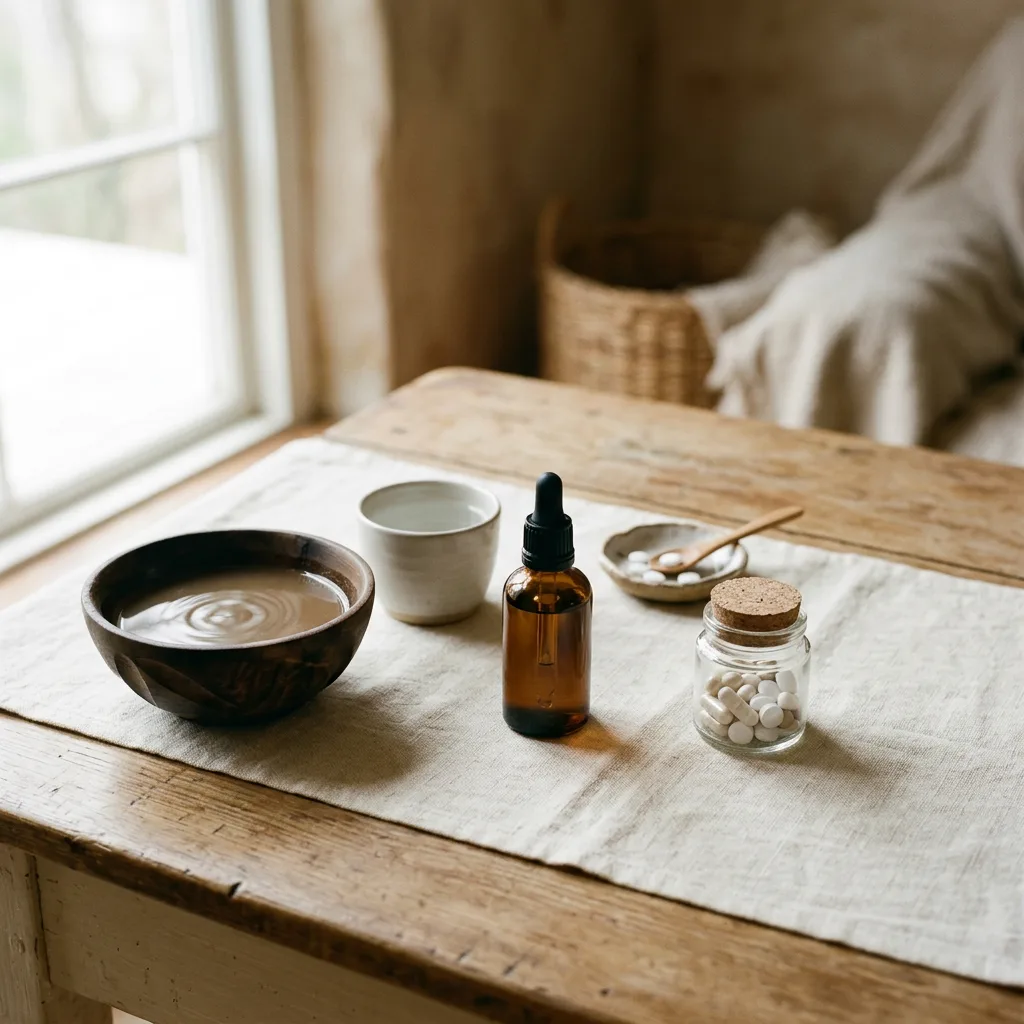
Glycinate, citrate, and L-threonate supply magnesium in different compounds. Compare elemental amounts, tolerability, cost, and the evidence for the intended use.
Leans toward magnesium
Magnesium wins on useful formulation choices, provided the label makes the elemental amount clear. We would not pay extra for a form solely because it is marketed as brain-targeted.
| Consideration | Kava | Magnesium |
|---|---|---|
| Traditional | Ground underground plant material prepared with water and strained. | Foods including nuts, seeds, legumes, whole grains, and leafy greens. |
| Modern | Instant powders, capsules, extracts, drops, and ready-to-drink beverages. | Tablets, capsules, powders, and liquids. Glycinate is a chelate; citrate is a salt; L-threonate is another compound with its own limited research. |
| Label check | Plant part, preparation, kavalactone content, full ingredients, and batch testing. | Elemental magnesium per serving, number of tablets, other minerals, and whether the product is intended as a supplement or laxative. |
Safety
The main screening questions are kidney function, total intake, and medicine absorption.

Leans toward magnesium
For a documented nutritional need in a suitable adult, magnesium has the clearer safety framework. It still needs individual review when kidneys or interacting medicines are involved.
| Consideration | Kava | Magnesium |
|---|---|---|
| Dependence | Dependence risk is incompletely characterized; withdrawal after heavy use has been reported. | No characteristic addiction or withdrawal syndrome; recurrence of deficiency is a different issue. |
| Liver & interactions | Rare serious liver injury; avoid alcohol and other sedatives and check medicines with a clinician. | Can interfere with absorption of some antibiotics and bisphosphonates. Follow medicine-specific spacing advice rather than a universal rule. |
| Who should avoid it | Avoid during pregnancy or breastfeeding. Discuss liver disease, medicines, or planned surgery with a clinician before use. | People with kidney disease should not self-prescribe magnesium. Obtain advice for children, pregnancy, or a clinician-managed condition. |
Convenience
A ready-to-use capsule or tablet is easier than kneading and straining roots.
Strongly favors magnesium
Magnesium wins everyday convenience. The main inconvenience is that some forms require multiple tablets for one labeled serving.
| Consideration | Kava | Magnesium |
|---|---|---|
| Preparation | Traditional preparation involves mixing and straining; some instant or liquid formats reduce preparation. | Tablets are ready to use; powders need measuring and mixing. |
| Portability | Capsules and sealed liquid bottles travel more easily than a bowl, ground root, and strainer. | Compact containers travel easily in original packaging. |
| Before use | Read the label and check the full ingredient list and medicine interactions. | Count all magnesium-containing supplements, antacids, and laxatives rather than reading one bottle in isolation. |
Accessibility
Magnesium is widely available through ordinary food and pharmacy channels.

Strongly favors magnesium
Magnesium clearly wins accessibility. A shopper can address dietary intake or find common supplement forms without seeking a specialist kava retailer.
| Consideration | Kava | Magnesium |
|---|---|---|
| Where people find it | Kava bars, specialty shops, and online sellers. | Grocery foods, pharmacies, supermarkets, supplement shops, and online sellers. |
| Regulatory distinction | Sold as supplements in the U.S.; supplements are not FDA-approved before sale. Beverage use raises separate safety/regulatory concerns. | Supplement, food, and medicine categories can all apply to different magnesium products. |
| Travel & local rules | Check destination rules, import restrictions, age policies, and product category. | Check the finished product and destination rules; a plain mineral tablet differs from a blend with other active ingredients. |
Cost
Magnesium prices vary substantially by form and number of tablets per serving.

No preference
We would not declare a price winner without matching the actual magnesium product to the actual kava product. A premium L-threonate formula and a basic mineral tablet can reverse the result.
| Consideration | Kava | Magnesium |
|---|---|---|
| What changes price | Root powder versus extract, testing, format, serving count, and shipping. | Form, elemental amount, servings, and premium blends change price. |
| Useful calculation | Total package cost ÷ labeled servings = estimated cost per labeled serving. | Divide package cost by full labeled servings, not tablet count. A 90-tablet bottle with a two-tablet serving contains 45 servings. |
| Compare like with like | Compare root powders with root powders, or extracts with similar labeled kavalactone content. | Compare the relevant nutritional or relaxation purchase; a gram of magnesium compound is not a gram of elemental magnesium and is not equivalent to kava. |
Research
Magnesium’s research is extensive in nutrition and medicine; the anxiety-and-sleep evidence is much less decisive.

Strongly favors magnesium
On overall research depth and established physiological use, magnesium wins. For a specific claim of anxiety relief, that broad research advantage does not establish superiority to kava.
| Consideration | Kava | Magnesium |
|---|---|---|
| Human evidence | Multiple human anxiety trials, including positive findings and a larger negative trial. | Extensive human evidence defines nutritional needs, deficiency, and selected medical uses. |
| Important limitation | A 171-person, 16-week trial found no benefit for generalized anxiety disorder with the tested extract. | Studies of anxiety and sleep are heterogeneous; nutrient biology alone does not establish a calming treatment. |
| Head-to-head? | No direct comparative trial identified in the sources reviewed; the verdict evaluates the separate evidence bases. | No direct kava comparison identified in the sources reviewed. This verdict weighs separate studies, not a demonstrated head-to-head winner. |
Can you take them together?
Yes—magnesium and kava can fit in the same routine for some adults, especially when magnesium addresses a genuine nutritional need and kava serves an occasional social purpose. We do not see a reason to label that situation automatically incompatible. We would not, however, recommend adding magnesium specifically to amplify kava: a superior combined calming effect has not been established.
Check the full ingredient list.
Check elemental magnesium across every supplement and any antacid or laxative. A product containing magnesium plus melatonin, valerian, or other sedating ingredients needs a different assessment from plain magnesium.
Match the plan to the products.
There is no validated kava–magnesium dose or timing formula. Follow the magnesium plan appropriate to your health, and review kidney disease and medicines with a pharmacist. Any required spacing may concern magnesium and a medicine, not kava. This combination does not remove kava’s own liver and impairment risks.
What to do if you have taken both.
Taking both is not, by itself, evidence of an emergency. If you feel well, avoid driving after kava and do not add alcohol or more calming products. Seek advice for unexpected or persistent symptoms; fainting, trouble breathing, or inability to wake someone needs urgent help. In the U.S., Poison Control can advise on an exposure and 911 is for emergencies.
Is kava an alternative to magnesium?
Kava can be an alternative to the relaxation ritual someone hoped to get from a magnesium drink. It is never a nutritional replacement for magnesium or treatment for magnesium deficiency.
We prefer magnesium when the job is correcting intake and kava when the job is a social wind-down. Using both for those separate purposes can make sense; claiming that they necessarily work better together goes beyond the evidence.
If magnesium has been recommended for a medical reason, keep that plan separate from a decision about kava. Persistent anxiety, insomnia, or symptoms of deficiency require assessment rather than guessing from a supplement label.
Frequently asked questions
Is magnesium a calming herb?
No. It is an essential mineral. Products marketed for calm may combine it with herbs or other ingredients, but magnesium itself is not botanical.
Which is better for anxiety?
Kava has more directly relevant anxiety-treatment trials, although results are mixed. Magnesium is the clear choice for inadequate magnesium intake; its essential role does not prove that extra supplementation treats an anxiety disorder.
Is magnesium glycinate always the best form?
No single form is best for every person or purpose. Compare elemental amount, tolerability, reason for use, and cost. Claims that glycinate or L-threonate universally outperform other forms for calm are stronger than the evidence.
Can I replace prescribed magnesium with kava?
No. Kava cannot correct magnesium deficiency or replace a clinician-directed mineral treatment.
Can a kava–magnesium combination make sense?
Yes, for separate purposes such as nutritional support and occasional relaxation, after relevant conditions and medicines are considered. Evidence does not establish that adding magnesium makes kava more effective.
What should I check on a magnesium label?
Look for elemental magnesium per full serving. The weight of magnesium glycinate or another compound is not the amount of magnesium itself. Also count ingredients supplied by other products.
Can I drive after either one?
Ordinary magnesium supplementation is not intended to intoxicate, but dizziness or weakness needs attention. Kava can impair you, and magnesium does not cancel that effect. Do not drive while affected.
Other substances
Calming supplements
The complete guide
Explore the options, evidence, and tradeoffs in our parent guide.
Kava vs Alcohol: Can Kava Replace Your Evening Drink?
Comparison in our field guide
Looking for an alcohol alternative that still feels like a way to unwind? Compare kava and alcohol’s effects, side effects, and dependence risks—and learn what switching your evening drink can and cannot offer.
Kava vs Ashwagandha: Which Is Better for Stress Relief?
Comparison in our field guide
Both appear in conversations about stress, but their traditions, preparations, and research differ. Compare kava and ashwagandha’s effects, timing, and safety considerations—and see what the evidence actually says about their potential benefits.
Kava vs Cannabis: How Do Their Effects and Risks Compare?
Comparison in our field guide
Curious about the difference between a kava drink and a THC high? We compare how they feel, how long their effects can last, and what to know about anxiety, impairment, and regular use.
Kava vs CBD: Which Has Better Evidence for Anxiety Relief?
Comparison in our field guide
Kava and CBD are widely marketed for calm, but marketing claims can run ahead of the research. We examine the evidence, reported effects, product differences, and safety considerations to help you understand what each can reasonably promise.
Kava vs Chamomile: Which Is Better for an Evening Wind-Down?
Comparison in our field guide
Chamomile is an easy choice for a comforting evening tea; kava offers a different social ritual and more anxiety-focused research. Compare the real tradeoffs, from tea versus extract to allergies, cost, and whether a combined evening routine deserves consideration.
Kava vs GABA: How Do They Compare for Relaxation?
Comparison in our field guide
What is the difference between drinking kava and taking a GABA supplement? Explore how each is thought to work, what human studies have found, and why a calming ingredient’s proposed mechanism does not guarantee a noticeable benefit.
Kava vs Glycine: Which Is Better for Sleep and Relaxation?
Comparison in our field guide
Glycine is an amino acid with a small sleep-research literature; kava is a botanical with a distinct relaxation ritual. Compare the evidence, sensory experience, convenience, and costs, including whether a bedtime glycine routine and occasional kava can serve complementary purposes.
Kava vs Kanna: What’s the Difference in Effects and Benefits?
Comparison in our field guide
Their names sound similar, but how much do kava and kanna really have in common? Explore their origins, active compounds, reported effects, and research, with a closer look at the safety questions behind modern drinks and extracts.
Kava vs Kratom: What’s the Difference in Effects and Safety?
Comparison in our field guide
Explore how kava and kratom compare, from their traditional uses and active compounds to their reported effects on relaxation, energy, and mood. We break down duration, side effects, and dependence risks, plus what to look for in drinks, powders, and extracts.
Kava vs L-Theanine: Which Is Better for Calm and Focus?
Comparison in our field guide
Kava offers a social wind-down; L-theanine is a more practical contender for calm without making the occasion about a drink. Compare the research, everyday experience, safety, and costs—including when using them in the same routine might make sense.
Kava vs Lavender Oil: Which Has Better Evidence for Anxiety Relief?
Comparison in our field guide
Oral lavender oil has a more serious anxiety-research record than its association with scented pillows might suggest. Compare it with kava on evidence, everyday use, side effects, and combination options—and learn why an oral supplement is different from an aromatherapy oil.
Kava vs Lemon Balm: Which Is Better for Stress and Relaxation?
Comparison in our field guide
Lemon balm brings an easy herbal-tea ritual; kava brings a more distinctive social experience and a deeper anxiety-trial record. Compare their preparations, effects, research, and safety, including the practical case for—and limits of—combining calming herbs.
Kava vs Melatonin: Which Is Better for Sleep and Relaxation?
Comparison in our field guide
Winding down and getting your sleep schedule on track can call for different approaches. Explore how kava and melatonin compare in purpose, timing, side effects, and research, so you can better understand where each fits.
Kava vs Passionflower: Which Is Better for Stress and Sleep?
Comparison in our field guide
From kava bowls to passionflower tea, both botanicals have a place in relaxation routines. Compare their traditional uses, reported effects, and clinical evidence, plus the side effects and interactions to understand before choosing either.
Kava vs Psilocybin: Do They Have Similar Effects?
Comparison in our field guide
How does a traditional kava drink compare with the psychedelic compound found in magic mushrooms? We explore differences in perception, duration, safety, and legal access—and explain why supervised psilocybin research needs its own context.
Kava vs Rhodiola: Which Is Better for Stress and Fatigue?
Comparison in our field guide
Rhodiola is marketed for coping with stress and fatigue, but that does not make it a calming drink or a bedtime herb. Compare it with kava on experience, research, convenience, and safety—including whether using them for different parts of a routine makes sense.
Kava vs Saffron: Which Is Better for Mood and Stress?
Comparison in our field guide
Saffron supplements are being studied for mood and stress, while kava is often chosen for a social wind-down. Compare the evidence, timing, product labels, and costs—and see why a complementary routine is a different claim from proven synergy.
Kava vs Valerian: Which Is Better for Winding Down and Sleep?
Comparison in our field guide
Choosing between an evening kava drink and a valerian sleep supplement starts with understanding your goal. Compare their calming effects, potential drowsiness, and sleep research, along with the practical differences between preparations.
The kava evidence
Research library
Explore the studies behind the claims, with their methods and limitations.