Kava vs Glycine: Which Is Better for Sleep and Relaxation?
Glycine is an amino acid with a small sleep-research literature; kava is a botanical with a distinct relaxation ritual. Compare the evidence, sensory experience, convenience, and costs, including whether a bedtime glycine routine and occasional kava can serve complementary purposes.


 By
Updated 2026-11-11.
Commercial disclosure: this guide is written by Nukava’s founders. Nukava sells kava. This is education, not medical advice; the research discussed does not establish that Nukava products treat these conditions.
Kava for social relaxation. Glycine for a sleep-focused question.
For a social wind-down, kava is our clear preference. If the question is a simple bedtime supplement, glycine deserves consideration on its own terms: it is easy to measure, inexpensive in a plain powder format, and has small human sleep studies. Those studies do not establish a treatment for insomnia or anxiety. Using glycine and kava in the same routine is a possibility to review, not evidence of a superior sleep combination.
Our preference for calm
 Kava
 Glycine
Leans toward kava
FIRST, MEET THE AMINO ACID
What is glycine?
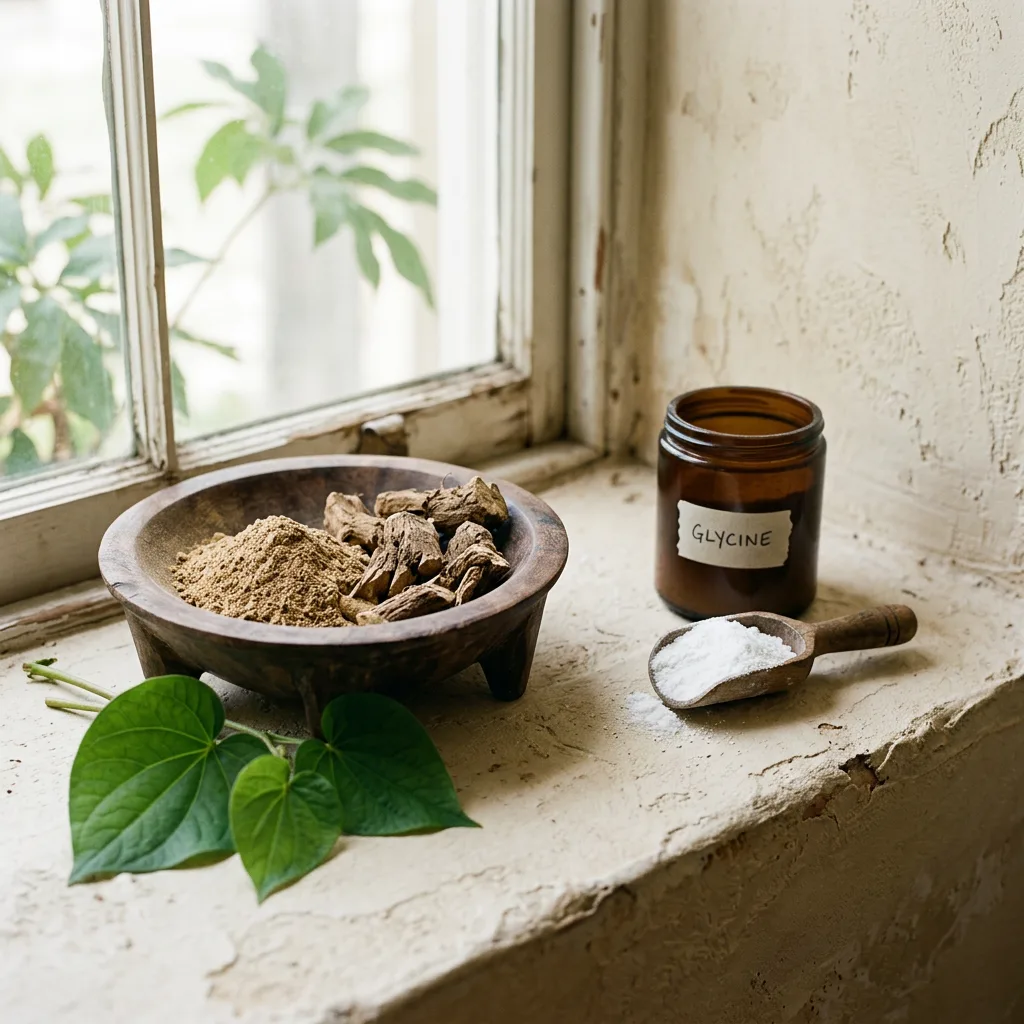
Glycine is an amino acid used in proteins and other normal body processes. The body makes it, food supplies it, and free-form powders or capsules provide additional glycine. It is a different substance from GABA and from magnesium glycinate.
Small human studies have examined glycine before bedtime in people reporting unsatisfactory sleep. Those findings provide a reason to investigate it, but the limited samples and short duration leave major questions unresolved.
How does kava compare?
Kava is Piper methysticum, a pepper-family plant grown across the Pacific. Traditional preparation means kneading ground roots and rhizomes in water, then straining the liquid into a bowl. Today it also comes as instant powder, capsules, extracts, and bottled drinks. Glycine’s normal biological role does not make extra supplementation automatically beneficial, just as a kava tradition does not prove every extract effective. Our overall preference concerns social relaxation. Each category gets its own verdict: the better-studied, easier-to-prepare, or more affordable option can win even when we prefer the other experience.
Origin
Glycine is a normal component of human proteins and metabolism, supplied by food and made in the body.
Leans toward glycine
We favor glycine’s biological familiarity in this category. The body making a compound is not proof that unlimited supplemental amounts are safe.
| Consideration | Kava | Glycine |
|---|---|---|
| Plant | Piper methysticum; pepper family. | Not a plant; an amino acid found in proteins and sold as an isolated ingredient. |
| Region | Pacific Islands, including Vanuatu, Fiji, Tonga, and Samoa. | Present in human biology and foods worldwide; supplement manufacturing varies. |
| Plant part | Roots and rhizomes—the underground stem. | Not applicable to free-form glycine. |
| Tradition | Water-based preparation for ceremony, hospitality, and social connection. | A normal dietary and body compound; concentrated sleep-oriented supplementation is a modern use. |
How it works
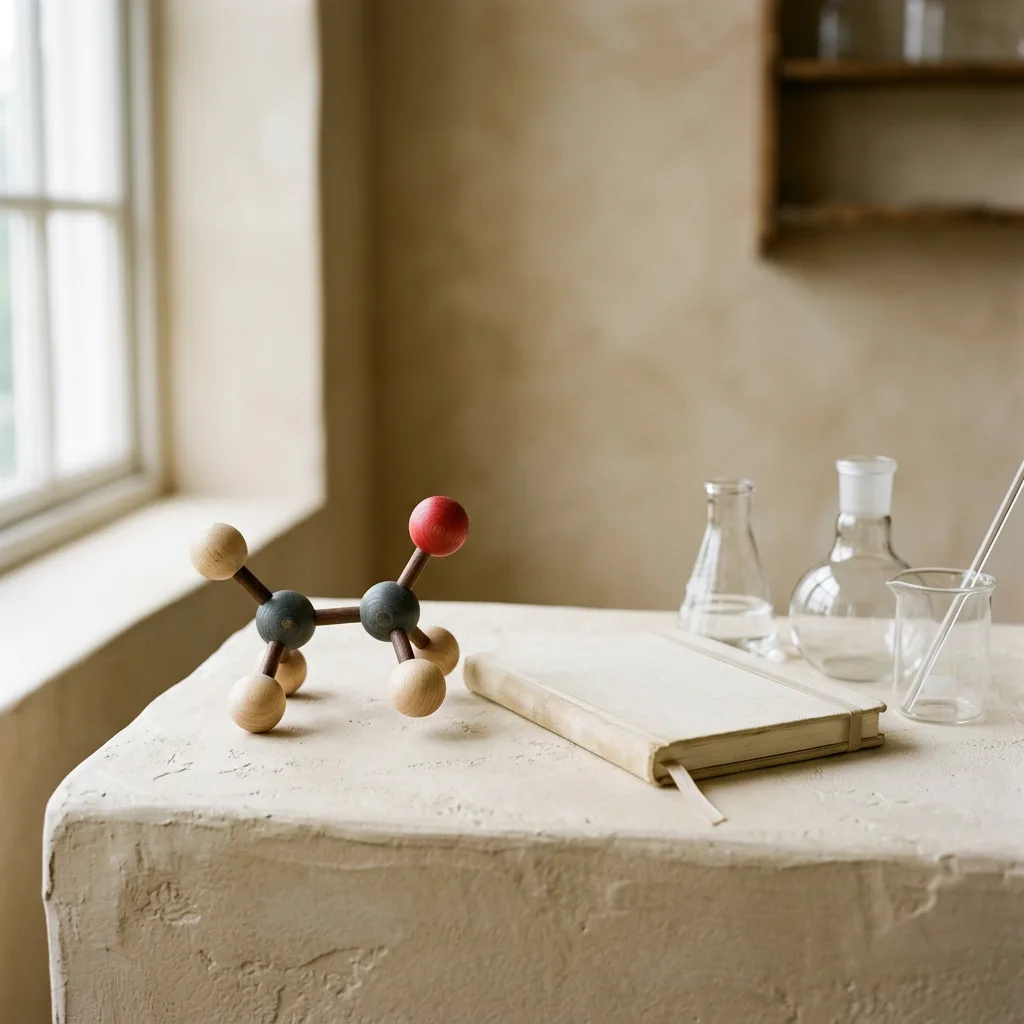
Glycine is both a building block and a signaling molecule; it is not simply a weaker version of kava.
Leans toward glycine
Glycine wins on a clearly defined ingredient and established biological roles. That clarity does not settle the clinical value of a bedtime serving.
| Consideration | Kava | Glycine |
|---|---|---|
| Key compounds | Kavalactones, a group of compounds with multiple nervous-system effects. | Glycine, rather than a mixture of botanical constituents. |
| Activity | Mechanisms include effects on inhibitory signaling and ion channels; human relevance is still being studied. | Has inhibitory receptor roles and also acts as an NMDA-receptor co-agonist; its effects are more complex than simply turning the nervous system down. |
| What that means | Associated with relaxation; drowsiness and drug interactions still matter. | A mechanistic explanation should not be used to promise sedation or anxiety relief from an oral supplement. |
The feeling
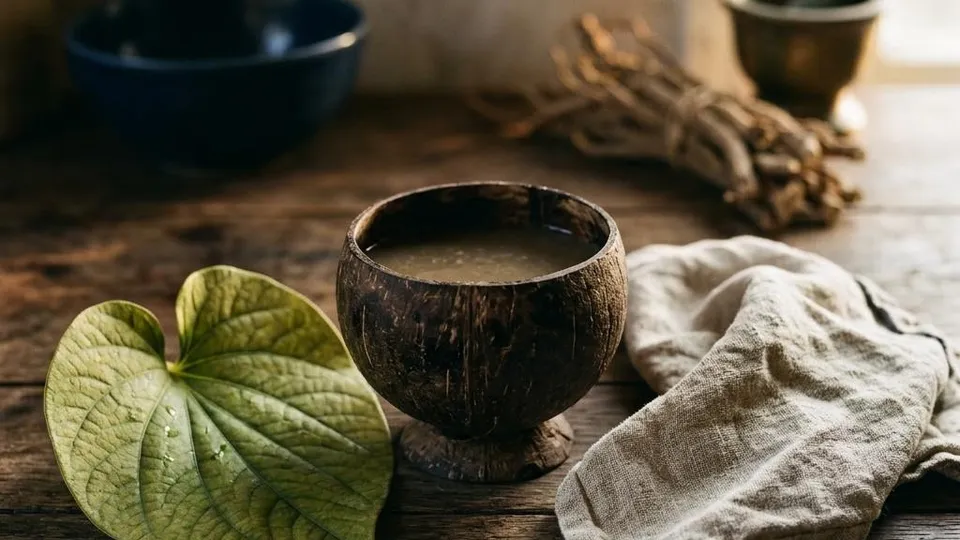
Glycine is not normally chosen for a social buzz or the sensory experience of a traditional drink.
Strongly favors kava
Kava is the clear winner for the evening experience we want to share. Glycine is better judged by a specific sleep-related outcome than by whether it feels noticeable.
| Consideration | Kava | Glycine |
|---|---|---|
| Common descriptions | Relaxation, physical ease, and sometimes mouth tingling or numbness. | Often little immediate sensation; some users report changes in sleep or next-day feelings. |
| Less welcome effects | Dizziness or drowsiness; effects vary with the preparation and person. | Digestive discomfort can occur; more noticeable effects are not proof of a better result. |
Onset & Duration
Bedtime timing in a study is not a precise estimate of how quickly every user will feel calmer.

Leans toward kava
For an occasion happening now, kava is more relevant. We would not take extra glycine to chase a timed calming sensation.
| Consideration | Kava | Glycine |
|---|---|---|
| Onset | A drink can produce mouth tingling during the session. That immediate sensation is separate from the onset of relaxation. | Sleep studies have used glycine before bedtime; there is no reliable universal onset of perceived calm. |
| Duration | Preparation, repeated servings, and metabolism affect how long relaxation or drowsiness lasts. | Studies assess the night’s sleep and sometimes next-day function, not a fixed duration of a buzz. |
| What changes timing | Food, drink versus capsule, kavalactone content, and interacting medicines. | Amount, timing, sleep opportunity, baseline sleep problems, and other products. |
Side effects
Glycine’s limited sleep studies are relatively reassuring, while rare and long-term outcomes remain poorly measured.
Leans toward glycine
For appropriate short-term adult use, we favor glycine’s available tolerability profile over kava’s known liver-injury and heavy-use skin concerns. Small studies cannot prove a rare-risk advantage.
| Consideration | Kava | Glycine |
|---|---|---|
| Commonly reported | Digestive upset, headache, dizziness, and drowsiness. | Gastrointestinal discomfort or nausea can occur, particularly with larger amounts. |
| Longer-term concerns | Heavy, prolonged use can cause dry, scaly skin (kava dermopathy). | Long-term sleep-supplement and combination evidence is limited. |
| Serious reports | Rare liver injury, sometimes severe or fatal. | There is no basis to assume every high-intake regimen is safe because glycine occurs in food. |
Common uses
The closest glycine use case here is sleep; the closest kava use case is a shared relaxation drink.

Leans toward glycine
For a narrowly sleep-focused supplement discussion, glycine is the more targeted candidate. That is a fit judgment, not an endorsement as a proven insomnia treatment.
| Consideration | Kava | Glycine |
|---|---|---|
| Traditional context | Community gatherings, ceremony, and hospitality. | A normal component of dietary proteins and body chemistry. |
| Modern reasons | Relaxation, social rituals without alcohol, and interest in anxiety relief. | Sleep-oriented supplementation and other nutritional or research uses. |
| Medical boundary | Mixed research on anxiety is not a prescription or proof for every product. | Persistent insomnia needs assessment; small sleep studies do not establish treatment for an anxiety disorder. |
Common formats
Plain glycine powder makes the active ingredient easy to identify.
Leans toward glycine
We favor a single-ingredient powder or clearly quantified capsule over a complicated sleep blend. The main task is measuring the full serving correctly.
| Consideration | Kava | Glycine |
|---|---|---|
| Traditional | Ground underground plant material prepared with water and strained. | Obtained from foods containing protein; food intake differs from isolated supplementation. |
| Modern | Instant powders, capsules, extracts, drops, and ready-to-drink beverages. | Free-form powder, capsules, and multi-ingredient sleep products. |
| Label check | Plant part, preparation, kavalactone content, full ingredients, and batch testing. | Grams per serving, number of capsules, purity testing, and other active ingredients. Glycine is not the same as magnesium glycinate. |
Safety
Food familiarity is useful context, but it does not answer every supplemental-use question.
Leans toward glycine
Glycine gets our cautious short-term safety preference for a suitable adult. We would still review significant illness, medicines, and high-intake or multi-ingredient routines.
| Consideration | Kava | Glycine |
|---|---|---|
| Dependence | Dependence risk is incompletely characterized; withdrawal after heavy use has been reported. | A characteristic dependence or withdrawal syndrome is not established for ordinary supplementation. |
| Liver & interactions | Rare serious liver injury; avoid alcohol and other sedatives and check medicines with a clinician. | Medication and combination data are limited; review any clinician-managed condition rather than assuming an amino acid cannot interact. |
| Who should avoid it | Avoid during pregnancy or breastfeeding. Discuss liver disease, medicines, or planned surgery with a clinician before use. | Seek individual advice for pregnancy, breastfeeding, children, significant kidney or liver disease, or a complex treatment plan. |
Convenience
A powder mixed in water is simpler than kneading and straining kava, though capsules may require several units.
Strongly favors glycine
Glycine wins on everyday preparation and cleanup. A correctly measured powder fits a small bedtime routine.
| Consideration | Kava | Glycine |
|---|---|---|
| Preparation | Traditional preparation involves mixing and straining; some instant or liquid formats reduce preparation. | Measure and dissolve a labeled serving, or use the stated number of capsules. |
| Portability | Capsules and sealed liquid bottles travel more easily than a bowl, ground root, and strainer. | Capsules are compact; powders should travel in labeled containers with appropriate measuring equipment. |
| Before use | Read the label and check the full ingredient list and medicine interactions. | Check grams rather than assuming every scoop or capsule equals one full serving. |
Accessibility
Glycine is available through mainstream supplement and sports-nutrition retailers.

Leans toward glycine
We favor glycine for straightforward supplement shopping. Identifying a specific kava preparation takes more specialist knowledge.
| Consideration | Kava | Glycine |
|---|---|---|
| Where people find it | Kava bars, specialty shops, and online sellers. | Supplement shops, sports-nutrition sellers, and online retailers. |
| Regulatory distinction | Sold as supplements in the U.S.; supplements are not FDA-approved before sale. Beverage use raises separate safety/regulatory concerns. | U.S. supplement availability is not approval as a medicine for sleep or anxiety. |
| Travel & local rules | Check destination rules, import restrictions, age policies, and product category. | Check destination rules and the entire blend, not just the familiar amino-acid name. |
Cost
We compare displayed U.S. prices reviewed November 11, 2026, before tax, shipping, or promotions.

Leans toward glycine
For a budget plain-powder purchase, glycine wins this example at about $0.20 per labeled serving versus $0.43 for kava capsules. The format difference is part of that price advantage.
| Consideration | Kava | Glycine |
|---|---|---|
| What changes price | Root powder versus extract, testing, format, serving count, and shipping. | NOW Glycine Pure Powder: $29.99 for about 151 labeled servings. |
| Useful calculation | Total package cost ÷ labeled servings = estimated cost per labeled serving. | $29.99 ÷ 151 = about $0.20; NOW kava’s regular $25.99 ÷ 60 = about $0.43. |
| Compare like with like | Compare root powders with root powders, or extracts with similar labeled kavalactone content. | Powder and capsules are different formats with different purposes. A labeled serving is not an equivalent dose or a recommendation to combine them. |
Research
Glycine’s sleep literature is much smaller than the popularity of sleep-supplement discussions might imply.

Leans toward kava
For anxiety and calm-related clinical research depth, kava wins. Glycine has a sleep-specific signal to investigate, not a more established all-purpose calming evidence base.
| Consideration | Kava | Glycine |
|---|---|---|
| Human evidence | Multiple human anxiety trials, including positive findings and a larger negative trial. | Small studies report sleep-related benefits and examine next-day outcomes. |
| Important limitation | A 171-person, 16-week trial found no benefit for generalized anxiety disorder with the tested extract. | A systematic review identifies small samples and high risk of bias in the healthy-population sleep studies. |
| Head-to-head? | No direct comparative trial identified in the sources reviewed; the verdict evaluates the separate evidence bases. | No direct kava comparison identified in the sources reviewed. This verdict weighs separate studies, not a demonstrated head-to-head winner. |
Can you take them together?
Glycine and kava can be considered in the same routine for some adults, with a distinct purpose for each: a bedtime sleep-related trial of glycine and occasional kava relaxation. We would not call them automatically incompatible. We did not identify controlled human evidence that combining them improves sleep or calm, so this is a possible complementary routine rather than a proven stack.
Check the full ingredient list.
Check whether the glycine is plain powder or part of a sleep blend. Count all glycine sources in the supplement routine, and look for melatonin, GABA, valerian, or other ingredients that may change the effect.
Match the plan to the products.
No validated combined dose or waiting-time formula is available. Review medicines and significant health conditions, understand each product separately, and avoid introducing several new products at once. Do not add alcohol or sleep medicines to intensify the result; extra drowsiness or stomach symptoms are reasons to reassess.
What to do if you have taken both.
Taking both is not, by itself, evidence of an emergency. If you feel well, avoid driving after kava and do not add alcohol or more calming products. Seek advice for unexpected or persistent symptoms; fainting, trouble breathing, or inability to wake someone needs urgent help. In the U.S., Poison Control can advise on an exposure and 911 is for emergencies.
Is kava an alternative to glycine?
For a social wind-down, kava is the alternative we prefer. For a simple supplement being evaluated specifically for sleep, glycine is the more relevant comparison to discuss.
Glycine wins preparation, ingredient simplicity, and the powder-price example. Kava wins the social experience and anxiety-research depth. They may have complementary roles, but neither ingredient needs the other to justify being assessed.
Persistent sleep problems should not be managed by endlessly adding ingredients. Review the cause and evidence-based options rather than treating a stronger-feeling bedtime mixture as the goal.
Frequently asked questions
Is glycine the same as GABA?
No. They are different compounds with different biological roles and supplement evidence. Similar discussion of inhibitory signaling does not make them interchangeable.
Which is better for anxiety?
Kava has the more directly relevant anxiety-trial literature, although its results are mixed. Glycine’s small sleep studies do not establish it as an anxiety treatment.
Is magnesium glycinate a glycine supplement?
It is a magnesium compound containing glycine, but it is not interchangeable with a measured serving of free-form glycine. Read elemental magnesium and ingredient amounts separately.
Can I replace glycine with kava for sleep?
There is no equivalent-dose conversion and kava is not an established insomnia treatment. Compare the actual goal before changing a bedtime routine.
Can glycine and kava be combined?
Potentially, in an individually reviewed routine with a clear purpose for each. The pair’s added benefit and optimal dose have not been established, so avoid claims that it necessarily works better together.
Does being made by the body make glycine automatically safe?
No. Normal biological presence does not establish the safety of every supplemental amount, long-term regimen, or combination.
Can I drive after either one?
Do not drive if sleepy, dizzy, or otherwise affected. Glycine does not reverse kava-related impairment or make an evening combination safe for driving.
Other substances
Calming supplements
The complete guide
Explore the options, evidence, and tradeoffs in our parent guide.
Kava vs Alcohol: Can Kava Replace Your Evening Drink?
Comparison in our field guide
Looking for an alcohol alternative that still feels like a way to unwind? Compare kava and alcohol’s effects, side effects, and dependence risks—and learn what switching your evening drink can and cannot offer.
Kava vs Ashwagandha: Which Is Better for Stress Relief?
Comparison in our field guide
Both appear in conversations about stress, but their traditions, preparations, and research differ. Compare kava and ashwagandha’s effects, timing, and safety considerations—and see what the evidence actually says about their potential benefits.
Kava vs Cannabis: How Do Their Effects and Risks Compare?
Comparison in our field guide
Curious about the difference between a kava drink and a THC high? We compare how they feel, how long their effects can last, and what to know about anxiety, impairment, and regular use.
Kava vs CBD: Which Has Better Evidence for Anxiety Relief?
Comparison in our field guide
Kava and CBD are widely marketed for calm, but marketing claims can run ahead of the research. We examine the evidence, reported effects, product differences, and safety considerations to help you understand what each can reasonably promise.
Kava vs Chamomile: Which Is Better for an Evening Wind-Down?
Comparison in our field guide
Chamomile is an easy choice for a comforting evening tea; kava offers a different social ritual and more anxiety-focused research. Compare the real tradeoffs, from tea versus extract to allergies, cost, and whether a combined evening routine deserves consideration.
Kava vs GABA: How Do They Compare for Relaxation?
Comparison in our field guide
What is the difference between drinking kava and taking a GABA supplement? Explore how each is thought to work, what human studies have found, and why a calming ingredient’s proposed mechanism does not guarantee a noticeable benefit.
Kava vs Kanna: What’s the Difference in Effects and Benefits?
Comparison in our field guide
Their names sound similar, but how much do kava and kanna really have in common? Explore their origins, active compounds, reported effects, and research, with a closer look at the safety questions behind modern drinks and extracts.
Kava vs Kratom: What’s the Difference in Effects and Safety?
Comparison in our field guide
Explore how kava and kratom compare, from their traditional uses and active compounds to their reported effects on relaxation, energy, and mood. We break down duration, side effects, and dependence risks, plus what to look for in drinks, powders, and extracts.
Kava vs L-Theanine: Which Is Better for Calm and Focus?
Comparison in our field guide
Kava offers a social wind-down; L-theanine is a more practical contender for calm without making the occasion about a drink. Compare the research, everyday experience, safety, and costs—including when using them in the same routine might make sense.
Kava vs Lavender Oil: Which Has Better Evidence for Anxiety Relief?
Comparison in our field guide
Oral lavender oil has a more serious anxiety-research record than its association with scented pillows might suggest. Compare it with kava on evidence, everyday use, side effects, and combination options—and learn why an oral supplement is different from an aromatherapy oil.
Kava vs Lemon Balm: Which Is Better for Stress and Relaxation?
Comparison in our field guide
Lemon balm brings an easy herbal-tea ritual; kava brings a more distinctive social experience and a deeper anxiety-trial record. Compare their preparations, effects, research, and safety, including the practical case for—and limits of—combining calming herbs.
Kava vs Magnesium: Which Is Better for Relaxation and Sleep?
Comparison in our field guide
Magnesium is an essential nutrient; kava is a botanical people choose for relaxation. We compare what each can realistically do, explain the differences between magnesium forms, and assess when nutritional supplementation and a kava routine can coexist.
Kava vs Melatonin: Which Is Better for Sleep and Relaxation?
Comparison in our field guide
Winding down and getting your sleep schedule on track can call for different approaches. Explore how kava and melatonin compare in purpose, timing, side effects, and research, so you can better understand where each fits.
Kava vs Passionflower: Which Is Better for Stress and Sleep?
Comparison in our field guide
From kava bowls to passionflower tea, both botanicals have a place in relaxation routines. Compare their traditional uses, reported effects, and clinical evidence, plus the side effects and interactions to understand before choosing either.
Kava vs Psilocybin: Do They Have Similar Effects?
Comparison in our field guide
How does a traditional kava drink compare with the psychedelic compound found in magic mushrooms? We explore differences in perception, duration, safety, and legal access—and explain why supervised psilocybin research needs its own context.
Kava vs Rhodiola: Which Is Better for Stress and Fatigue?
Comparison in our field guide
Rhodiola is marketed for coping with stress and fatigue, but that does not make it a calming drink or a bedtime herb. Compare it with kava on experience, research, convenience, and safety—including whether using them for different parts of a routine makes sense.
Kava vs Saffron: Which Is Better for Mood and Stress?
Comparison in our field guide
Saffron supplements are being studied for mood and stress, while kava is often chosen for a social wind-down. Compare the evidence, timing, product labels, and costs—and see why a complementary routine is a different claim from proven synergy.
Kava vs Valerian: Which Is Better for Winding Down and Sleep?
Comparison in our field guide
Choosing between an evening kava drink and a valerian sleep supplement starts with understanding your goal. Compare their calming effects, potential drowsiness, and sleep research, along with the practical differences between preparations.
The kava evidence
Research library
Explore the studies behind the claims, with their methods and limitations.