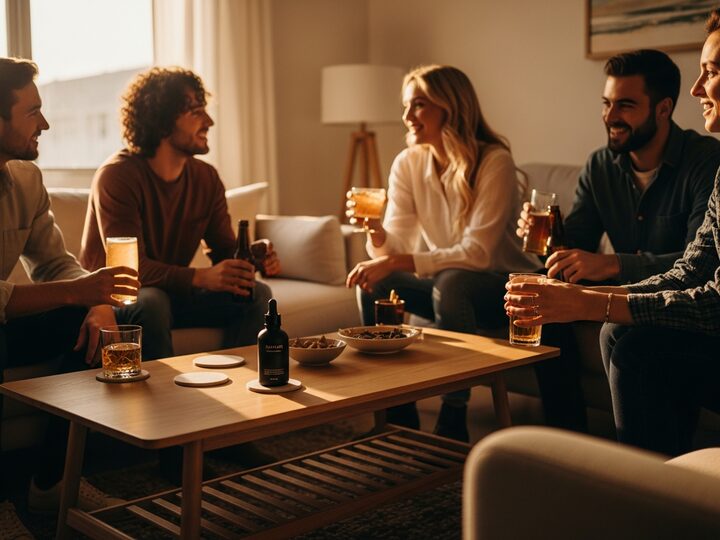



You've closed your laptop, finished dinner, and finally have a little time to yourself. A drink sounds good. Maybe you want to unwind without alcohol. Maybe you'd like to stop replaying the day long enough to enjoy the evening.
That's the kind of moment that draws many people to kava. Others arrive with a more specific question about sleep, anxiety, pain, or concentration.
We like kava most as part of an unhurried evening: something to prepare, enjoy, and share. Its long place in Pacific social and ceremonial life helps explain that appeal. The cultural traditions differ between communities, but gathering around kava has a history that stretches well beyond today's supplement aisle. Learn about kava's traditional and contemporary use.
The health questions take more unpacking. A relaxing experience, a useful habit, and an effective treatment each need their own explanation. This guide brings those explanations together, with links to 30 deeper reviews so you can follow the questions that matter to you.
What Does Kava Do—and What Does It Feel Like?
Kava comes from Piper methysticum, a plant in the pepper family. Its roots and rhizomes—the underground stems—are traditionally prepared with water to make a drink. You'll also find powders, extracts, capsules, and ready-made beverages.
The main active compounds are called kavalactones. They affect the nervous system, and the experience can include physical relaxation, a change in mood, and drowsiness. Kava is psychoactive, which simply means it can change how you feel and experience things. NSW Health's clinical overview describes these effects and the possibility of reduced coordination.
People put that experience into different words. Some describe a pleasant lift or an easier time settling into conversation. Others notice heavier limbs, a quieter mood, or the desire to sit comfortably and do very little. A recent U.S. survey recorded relaxation, happiness, and friendliness among users' reported effects. Because people were describing their own experiences, the survey cannot tell us how reliably kava will produce those feelings for someone new. Read the survey.
The product and the person matter. The word “kava” on two labels doesn't make the preparations equivalent. An extract used in a clinical trial may differ substantially from a traditional bowl or a commercial drink.
If you're wondering whether that experience counts as getting high, our guide to kava's buzz and recreational effects goes further. Whatever word you use, feeling clearheaded doesn't establish that your coordination is unaffected.
Once you understand the range of possible effects, the reasons people choose kava become easier to make sense of.
Why People Use Kava: Common Reasons and Potential Benefits
Making it easier to unwind
Sometimes the goal is straightforward: you'd like the evening to feel less like an extension of the working day.
Kava's appeal here is both the experience and the occasion around it. Preparing a drink, putting your phone away, and giving yourself time to enjoy it can make a welcome break in the routine. People also report feeling more relaxed after drinking kava, although some become sleepy, feel stimulated, or notice little change.
That's why we think relaxation is one of the most useful places to start. You can ask a practical question about whether an evening feels more enjoyable without assuming that kava will solve every source of tension in your life.
Our stress-relief guide looks more closely at the research. There are encouraging signals, but a dependable reduction in everyday stress—and claims about “resetting” cortisol—go beyond what has been established.
Finding some relief from anxiety
Anxiety has received more clinical attention than most proposed kava benefits. It also shows why a single positive study never tells the whole story.
A small six-week trial published in 2013 found greater anxiety improvement with a defined kava extract than with placebo. A larger 16-week trial, published in 2020, analyzed 171 participants with generalized anxiety disorder and found no significant advantage over placebo. 2013 trial, 2020 trial.
Both findings belong in the conversation. They leave room for some people to experience relief, while giving us good reason to be cautious about calling kava a dependable anxiety treatment. These studies also assessed repeated use of particular preparations, so their results don't tell you exactly what one drink will do tonight.
Our kava for anxiety review walks through the conflicting findings. If anxiety is limiting your daily life, a treatment plan with a qualified clinician deserves more weight than a supplement promise.
Winding down before bed
When worry follows you into bed, something that feels relaxing has an obvious appeal. The next question is whether that translates into better sleep.
In a four-week study of 61 people with sleep disturbances associated with anxiety, a particular kava extract improved measures of sleep quality and how refreshed participants felt afterward compared with placebo. That's a useful finding, but it comes from a small, specific group using a specific preparation. Read the sleep trial.
The wider picture remains uncertain. Our sleep guide covers the positive findings, the less encouraging results, and reports of feeling wired or unrefreshed. Kava hasn't been established as a reliable insomnia treatment.
For a bedtime routine, pay attention to the whole night and the following morning. Feeling sleepy on the sofa is only one part of what you want from good sleep.
Enjoying company and choosing a different evening drink
For many people, the attraction is social. You want something interesting in your glass and an occasion that gives everyone permission to slow down.
That fits naturally with kava's communal history. Interviews with Tongan-born men in Auckland described connection and relationship-building around kava, alongside drawbacks such as tiredness. Those accounts help explain the social role of the drink; they can't separate its chemical effects from the company, conversation, and setting. Read the cultural study summary.
Our socializing guide explores that fit. Some people become more talkative; others are perfectly happy listening. A relaxed gathering can accommodate both.
Kava can also give an ordinary alcohol-drinking occasion a different shape. Our alcohol-alternative guide considers what you want to replace: the flavor, the ritual, the social setting, or the feeling. Research hasn't established kava as a treatment for alcohol dependence, and combining it with alcohol carries risks.
Those are the main reasons we'd give prominence to. There are plenty of more specific questions, though, and they deserve answers that match the evidence behind them.
What Is Kava Used For? Explore All 30 Guides
Start with the question closest to your own. Each guide looks at the available research, reported experiences, and the limits of what can be concluded. A topic appearing here means people ask about it; the description tells you how much support the idea has.
Calm, stress and sleep
These questions overlap in everyday life, but the research doesn't allow us to treat them as interchangeable. An easier evening and fewer panic attacks are very different outcomes to measure.
- Relaxation: Explore unwinding, physical ease, and the range from feeling pleasantly settled to feeling too sleepy. Individual responses vary considerably.
- Stress relief: A closer look at switching off after a demanding day, including why claims about lasting stress reduction or cortisol need more evidence.
- Anxiety: The strongest concentration of clinical research in this collection, with positive smaller trials and an important larger negative trial to weigh together.
- Social anxiety: Feeling more comfortable at a gathering can matter. Reliable treatment of persistent fear, avoidance, or social anxiety disorder remains unestablished.
- Panic attacks: Reviews the limited evidence and explains why kava cannot be relied on to interrupt an attack or serve as a rescue treatment.
- Sleep: Covers bedtime relaxation, sleep quality, and the following morning. The evidence is too limited and inconsistent to promise dependable insomnia relief.
Social experiences and rituals
Here, the setting is part of the story. A shared bowl, quiet music, or time with a partner can change what someone finds valuable about the experience.
- Buzz and recreation: What people mean by a kava buzz, why its intensity varies, and how a pleasant subjective experience can still involve impairment.
- An alternative to alcohol: Considers kava's place in an evening or social ritual. Replacing an ordinary drinking occasion is a different question from treating dependence.
- Socializing: Explores conversational ease, shared rituals, and why a slower gathering may suit the experience better than an activity requiring sharp attention or coordination.
- Meditation and spiritual practice: Looks at settling into quiet and kava's ceremonial context. Direct evidence that it improves meditation skills is missing, and cultural practices deserve their own context.
- Sex and intimacy: Examines interest, comfort, and sexual function. Limited findings and mixed personal accounts don't establish kava as an aphrodisiac or a treatment for sexual difficulties.
Mood, attention and energy
An activity feeling easier or more enjoyable can be worthwhile. To call something a performance benefit, we'd also want to see improvements in learning, accuracy, useful output, or physical capacity.
- Depression: Some anxiety studies include mood findings, but they don't establish kava as a depression treatment. The guide explains the limitations of that evidence.
- ADHD: Reviews claims about attention and task completion. Small studies in other populations don't demonstrate treatment of ADHD, and some people report slower thinking.
- Focus: Separates feeling interested in a task from performing it better. Cognitive studies are mixed, and tiredness can work against concentration.
- Creativity: Explores reports of enjoying music, writing, or drawing and feeling less self-critical. Evidence of a reliable improvement in creative ability or output is absent.
- Energy and fatigue: Looks at alertness, motivation, and stamina. A brief lift in mood doesn't establish a dependable energy boost, and fatigue can be an unwanted effect.
Pain and physical activity
These are understandable questions when you're uncomfortable. The evidence becomes much thinner here, particularly when a claim moves from feeling less tense to treating an underlying physical problem.
- Pain and muscle tension: Animal research and personal reports offer leads, but controlled human evidence hasn't established reliable pain relief. Comfort, pain intensity, and physical function need separate assessment.
- Back pain: Reviews tension, spasms, and recurring discomfort. The assembled research doesn't establish treatment of back pain, sciatica, or disc disease.
- Headaches: Personal experiences go in both directions, including headaches starting or worsening. There isn't enough direct clinical evidence to recommend kava for migraine or other headaches.
- Period cramps: Examines menstrual-pain claims and why an animal experiment with an isolated constituent cannot show that a kava drink relieves cramps in people.
- Workouts: Considers exercise, recovery, and an after-workout wind-down. Strength, endurance, and muscle-recovery benefits remain unestablished; impairment also matters around training.
Other health questions
For these topics, it helps to be especially specific about the goal. A change in how you feel doesn't necessarily mean a change in blood pressure, blood sugar, or another measure of health.
- Blood pressure: Explains why a finding during a short laboratory stress task doesn't establish lasting blood-pressure control or replace a treatment plan.
- Blood sugar: Reviews metabolic findings from animal research and the lack of verified human glucose-control trials in the review. Kava isn't an established diabetes treatment.
- Weight loss: Considers the wider routine, including changes in alcohol intake, meals, and activity. Research doesn't establish kava itself as a dependable fat-loss aid.
- Digestion: Looks at a small uncontrolled IBS study and mixed experiences. Digestive upset is also a possible side effect, so a general gut-health promise would be misleading.
- Menopause: Small older studies offer some encouragement for anxiety around menopause. They don't establish broad symptom relief, hormone restoration, or an alternative to hormone therapy.
- PTSD: Explores early work involving kava and culturally grounded dialogue. Evidence hasn't established kava alone as a treatment for PTSD.
- Anxiety and overwhelm in autistic adults: Focuses on individual comfort goals and adult experiences. Direct trials supporting an autism-specific benefit are missing; the aim is understanding comfort, not changing someone's identity.
Hangovers and withdrawal questions
These deserve their own space because choosing a different drink, recovering after alcohol, and stopping a substance involve different needs.
- Hangovers: Drinking less alcohol may explain a better morning. There isn't good direct evidence that kava treats an existing hangover or speeds alcohol clearance, and it can have its own aftereffects.
- Withdrawal support: Reviews preliminary findings and recovery experiences. Kava isn't an established withdrawal treatment or protection against dangerous complications. Withdrawal from alcohol or benzodiazepines can require medical care.
Across the library, you'll see a recurring pattern: some experiences are plausible and meaningful, while the stronger medical claims need evidence we don't yet have. Here's how to read that distinction without getting lost in study terminology.
Which Kava Benefits Are Supported by Research?
The first thing to check is what kind of evidence you're looking at.
A controlled human trial compares outcomes between groups and can help test whether a preparation caused a benefit. A survey tells us what people report experiencing. A laboratory experiment can suggest something worth investigating next. Each contributes something useful, but they answer different questions.
| Question | What supports the interest | What remains uncertain |
|---|---|---|
| Can kava feel relaxing? | Reported experiences, observational research, and its recognized effects on the nervous system | How consistently a particular product produces a pleasant response for an individual |
| Can it reduce anxiety? | Several positive clinical trials of specific extracts | Conflicting results, including the larger negative generalized-anxiety trial |
| Can it improve sleep? | A small positive trial in people with anxiety-related sleep problems | Whether benefits extend to other sleep problems, preparations, and longer use |
| Can it suit a social occasion? | Cultural research and accounts of shared use and social ease | How much comes from the drink, expectations, company, and setting |
| Can it treat the other conditions above? | Varying combinations of preliminary studies, indirect findings, and personal reports | Adequate direct evidence of reliable treatment benefit is generally missing |
That last row covers very different questions. Follow the relevant guide for the details rather than treating “limited evidence” as one uniform result. The Kava Research Center also lets you explore individual studies.
Our approach is to give a positive result its due, explain negative results alongside it, and keep conclusions tied to the preparation and people studied. That makes the evidence more useful when you're deciding what to expect.
The same approach applies to unwanted effects. They belong in the decision from the beginning.
Kava Side Effects and What to Consider
Kava can cause drowsiness, dizziness, headaches, and digestive upset. Heavy or prolonged use can also cause dry, scaly skin. Rare cases of serious liver injury have been linked to kava products, including some water-prepared beverages. A traditional preparation doesn't eliminate that concern. NCCIH's safety overview.
Before using it:
- Avoid combining it with alcohol or other sedating substances. Medicines such as benzodiazepines are particularly relevant.
- Check your medicines with a clinician or pharmacist. Include supplements and the full ingredient list of the product you're considering.
- Avoid kava during pregnancy or breastfeeding, or if you have liver disease.
- Plan an occasion without driving or operating machinery. Feeling mentally clear isn't a reliable test of safe performance.
These precautions reflect guidance from NCCIH and UNSW's National Drug and Alcohol Research Centre.
Product quality deserves attention, too. Read the serving information and every ingredient, and look for meaningful testing. A well-documented product helps you understand what you're buying; it doesn't prove a medical benefit or make kava risk-free.
With those considerations in view, a few common questions are easier to answer.
Common Questions About Kava's Uses and Effects
What is kava good for?
Its clearest everyday appeal is relaxation and a shared evening ritual. Anxiety has been studied more extensively than most proposed health uses, but results are mixed. For a specific condition, the relevant guide above gives a more useful answer than a general list of “kava benefits.”
How does kava make you feel?
Reported experiences include relaxation, a pleasant change in mood, physical heaviness, and sometimes greater conversational ease. Others feel sleepy, uncomfortable, or little different. Our effects and buzz guide describes that range in more detail. No description can guarantee your response.
How long does kava last?
There isn't a single dependable duration across products and people. Also, the time a compound remains in your blood is different from how long a particular feeling lasts.
In one small study of a standardized extract, several kavalactones reached peak blood concentrations within one to three hours. The study measured absorption and exposure, so that figure is not a one-to-three-hour duration of effects or a safe-driving timetable. Read the pharmacokinetic study.
Does kava make you sleepy?
It can. Drowsiness is a recognized effect, although some people report feeling more alert or stimulated. Sleepiness alone doesn't establish better sleep quality. If bedtime is your main interest, our kava for sleep guide looks at both the night itself and how people feel afterward.
Does the research apply to Nukava?
Studies of a particular extract or traditional preparation don't automatically establish the effects of another product. This article explains the broader kava evidence. It does not show that Nukava treats anxiety, insomnia, pain, or any of the other conditions discussed here.
If you're ready to explore further, choose the guide that matches the moment or question you have in mind. For the practical introduction, start with How to Nukava. You can also browse Kava Answers for our founder's explanations of common questions.